Salmon Rigs with Diagrams and Setups

Salmon are a delicious table fare and prize game fish for anglers. There are several techniques anglers use to catch them and even more baits and lure rigs devised to get them to bite. Some of the most popular salmon fishing techniques include drift fishing, trolling, plunking and casting.

In addition to fishing technique, anglers also employ bait rigs designed to create a presentation that will entice hungry salmon to take an anglers bait or lure. The right combination of technique, bait and salmon fishing rig is a recipe for hooking a trophy salmon.

Below are several of the best fishing tackle and bait rigs used to catch Atlantic, Sockeye, Chum, Chinook, Coho and Pink salmon.
Drift Rig

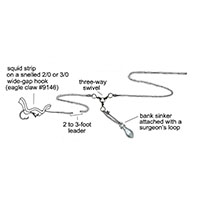
Drift Rig

This is a traditional saltwater drift fishing rig designed to fish on the bottom
Carolina Rig

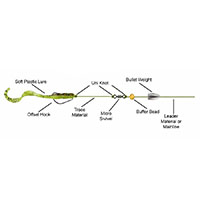
Carolina Rig

Used for casting and dragging across a target area where fish may be located
Drop Shot Rig

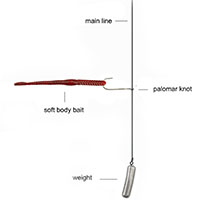
Drop Shot Rig

A bass fishing rig that can be fished deep, shallow, and anywhere in between
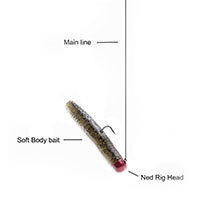
Ned Rig

Ned Rig

Ideal for fishing tough conditions. Small profile and mimics natural food source
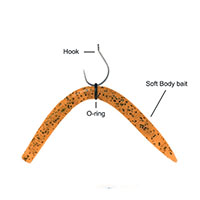
Wacky Rig

Wacky Rig

A finesse fishing rig that mimics a bobbing and wiggling bait worm
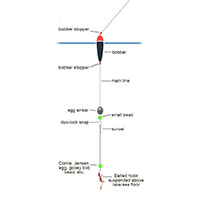
Float Rig

Float Rig

One of the most traditional and effective rigs for catching a large variety of fish
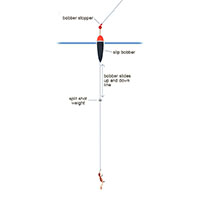
Slip Bobber Rig

Slip Bobber Rig

Can be fished at various depth with an easy adjustment to a bobber stop
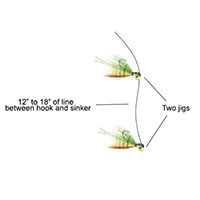
Double Jig Rig

Double Jig Rig

Popular panfish rig used for spider rigging, drift fishing and casting from a boat
The best salmon fishing rig setups

Most professional salmon fishing guides use a modified version of a float rig, drift fishing rig, or bottom bouncing rig for fishing salmon using bait. These rigs are effective for targeting salmon in lakes, streams and larger rivers and are really considered the ‘best of the best’ by most avid salmon anglers.

In addition to selecting the right rig type, there are few general guidelines to follow—and mistakes to avoid—if you want to increase your chance of hooking a salmon and improving your catch rate.

Essential elements of a good salmon rig

There are two elements you need to pay attention to on any salmon rig: the hook and the leader. Salmon have excellent eyesight and are easily spooked. If either the hook or the leader isn’t correct, you can easily scare away any bites or drastically decrease your catch rate.

Selecting hook type

When targeting any fish, selecting the right hook is important. But when fishing salmon, selecting the right hook is vital. Your hook should accomplish two things. First, it needs to have penetrating power. Second, it needs to be strong enough that it can withstand the battle once you have a salmon on your line.

For a hook to penetrate the salmon’s mouth it needs to be sharp and hard. We see a lot of anglers using standard J hooks for targeting salmon, and they work—but they don’t provide the penetrating power or strength as other hook options. For salmon, we recommend short shank wide gap hooks such as the Gamaktsu Octopus hook or a Specimen. I even like to use hooks that are chemically sharpened for some really penetrating power.

Anglers spend thousands on rods, reels, boats and equipment and then scrimp on hooks. Don’t make the same mistake.

Selecting a the correct hook size

Hook size is just as important as hook type. Salmon have great eyesight. If you’re hook is too large it will scare away fish, yet if too small it may not be noticed at all—or fail to provide adequate penetration and holding power.

It would be nice if there were a ‘one size fits all’ hook for salmon fishing, but the size of your hook will depend on your target fish size. When bait fishing, a size 2 or 4 hook is a good place to start, but you can go as small as 6 to 10 and still reel in some nice size salmon. Remember, bigger isn’t always better, even when trophy hunting.

correct hook size and bait placement for salmon fishing

The above image illustrates proper hook size and bait placement for salmon fishing.

You want to select your hook size relative to the bait you’re using. And of course, your bait will be determined by your target salmon size and species. For salmon fishing in the Great Lakes, sizes 6 to 10 are ideal. When fishing larger chunks of bait, for say a West Coast salmon, you’re going to need a larger hook in the 2 or 4 range.

When positioning bait on hook, you don’t want to cover the hook point. At the same time, you don’t want your bait so far up the shank that the hook bend and point are fully exposed. You want to position your bait so as to leave the hook gap partially open and hook point exposed—as shown in the above image.

Selecting the right leader

The most important aspect of selecting leader size for salmon fishing is determining pound test. (We illustrate correct leader length in the salmon rig diagrams below.)

Your pound test—as measured by line diameter—can have a significant impact on your catch rate. As a rule of thumb, you want to use as thin a leader line as you can get away with. This means selecting a leader that is going to go undetected by salmon, yet strong enough to prevent break-offs.

For 6-10 pound steelhead or trout, we recommend a 8-10 pound leader with a .008 inch diameter. For larger salmon in the 10 to 15 pound range, a 14 pound leader with a .011 inch diameter is ideal.

Now let’s explore the actual salmon rigs.

Float Fishing Salmon Rigs

Float fishing is one of the most effective methods to fish salmon in rivers and lakes between 3 and 15 feet deep. There are three preferred rig setups for float fishing: baited rig, 1 fly drop shot rig, and 2 fly salmon leader rig.

float rig with salmon leader

The diagram above illustrates the quintessential float rig with salmon leader for bait fishing. It performs best for river fishing depths to 6 feet.

1 fly drop shot float rig for salmon fishing

The diagram above illusrates the 1 fly drop shot float rig for fishing at depths from 3 to 8 feet. This rig is ideal for fishing current and pockets.

float rig with 2 fly salmon leader

The diagram above illustrates the 2 fly salmon leader float rig. It’s ideal for fishing lakes and rivers at depths around 6 feet.

Drift Fishing Salmon Rig

Drift fishing is very effective for fishing larger rivers with substantial current or deeper water. Drift fishing isn’t only effective for targeting salmon, but can be used to target bass, catfish and other bottom feeders.

drift fishing rig with salmon leader

The diagram above illustrates a traditional drift rig setup with salmon leader. This is the preferred drift fishing setup for targeting salmon.

Bottom Bouncing Salmon Rigs

Bottom bouncing can be really effective for targeting salmon in smaller rivers or in shallower sections of larger rivers—especially in runs, riffles, and pocket water.

There are two bottom bouncing setups we recommend for salmon fishing. The traditional bottom-bouncing bead rig and advanced bottom bouncing rig.

bottom bouncing rig for salmon fishing

The traditional bottom-bouncing bead rig illustrated above is a simple setup for targeting salmon feeding near the bottom of the water column.

advanced bottom bouncing rig for salmon fishing

The advanced bottom-bouncing rig illustrated in the diagram above provides both a baited hook and subsurface fly to target salmon at different depths in the water column.